
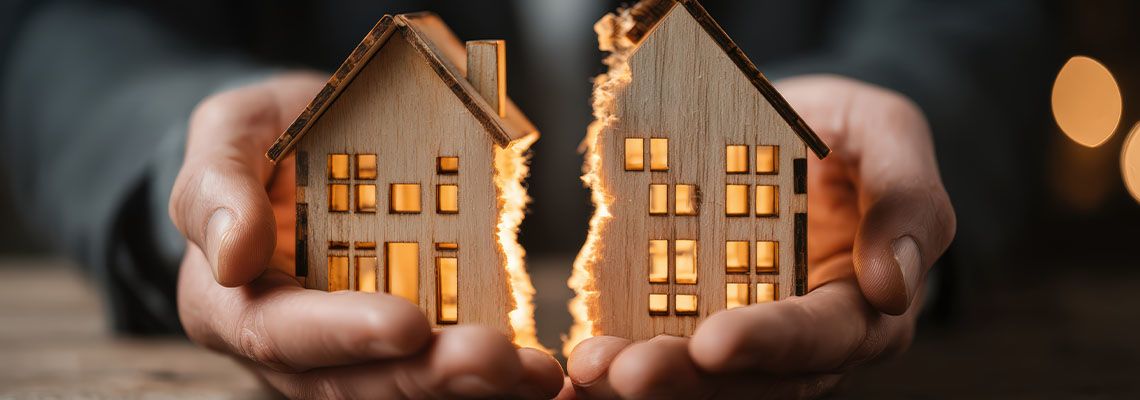
Partition Actions: Dividing Property Fairly Among Co-Owners
Partition actions are a court-driven way to end shared ownership of real estate when co-owners can’t agree on what should happen next. In California, the goal is to reach an outcome that’s workable and fair under the law, whether that means dividing the property in a practical way or converting it to money through a sale and splitting the net proceeds.
Partition issues often arise from day-to-day concerns such as who pays ongoing costs, who can live in or use the property, and how contributions should be handled if the owners didn’t share expenses evenly. Located in California, the LAW OFFICE OF DAVID J. HOLLANDER works with property co-owners who need a path forward when discussions stall. Reach out today to get started.
What a Partition Action Does For Co-Owners
A partition action asks the court to break the co-ownership relationship in a way that’s legally workable when the owners can’t agree. The court can order the property physically divided in limited circumstances, or it can order a sale and then divide the net proceeds among the owners based on their ownership interests, along with any adjustments the law allows.
This process matters because co-owners don’t have to stay tied together forever just because the title is shared. A partition case creates a structured path to an outcome, whether that’s a sale, a buyout, or a division of the asset, while also addressing fairness issues like unequal payments for taxes, insurance, mortgage, or major repairs.
Common Situations That Lead to Partition
A partition action usually begins after a life change or a money dispute, not because the property itself is the problem. When communication breaks down, shared ownership can feel stuck, especially if one person wants to sell and another person doesn’t.
Situations that commonly push co-owners toward court include the following:
Inheritance disputes: Siblings or relatives may inherit a house together but disagree about selling, renting, or keeping it.
Breakups and divorces outside of family court: Former partners may still share title even after separating.
Unequal financial contributions: One owner may be paying most of the mortgage, taxes, or repairs, leading to conflict about fairness.
Use and possession disagreements: One owner may be living in the property while another owner wants access or rent credit.
Investor disagreements: Co-owners may clash over renovation plans, timelines, or when to exit.
Stalled refinancing or buyout talks: The owners may agree in theory, but can’t reach workable terms or financing.
When one of these issues starts to dominate day-to-day decisions, the next question becomes what outcome is realistic under California law, since not every property can be divided the same way.
Partition Options a Court Can Order in California
Not all partition action outcomes look alike, and the best fit often depends on the type of property and the co-owners’ goals. In California, courts can end co-ownership in a few main ways, and the right fit usually depends on the type of property and what outcome is actually workable in the real world, including these options:
Partition in kind: This involves physically dividing the property into separate parcels so each owner receives a distinct portion. It’s more common with vacant land or larger tracts where a split is practical.
Partition by sale: This is the most common result for single-family homes and many small residential properties. The property is sold, and the owners divide the net proceeds after allowed expenses and adjustments.
Buyout-style resolution during the case: Even when a case begins as a partition request, a buyout can still happen if one owner wants to keep the property and can pay the other owner’s share under mutually acceptable terms.
Once the likely outcome is identified, it’s easier to focus on the mechanics of the case and the decisions that typically arise along the way.
How a Partition Case Typically Moves Forward
A partition case usually begins when one co-owner files a court petition seeking to end the shared ownership relationship. After the other owners are formally served, each person has an opportunity to respond and explain their position. Early in the process, the court may address immediate concerns, like how the property will be maintained while the case is pending.
From there, the case often shifts into the practical work of deciding how the property should be handled, which can include valuation discussions and planning for a sale if a physical split isn't realistic. If the owners disagree about who paid what, the court may also consider accounting issues to address reimbursements and offsets before any money is distributed.
Handling Mortgage Payments, Repairs, and Other Contributions
Many partition disputes aren’t really about whether the property should be sold. They’re about whether the split will feel fair after years of unequal payments or unequal use.
When a partition case includes an accounting phase, the court may consider certain payments and benefits tied to the property when dividing proceeds, such as:
Mortgage principal and interest payments: If one owner paid more than their share, that owner may seek reimbursement or credits tied to those payments.
Property taxes and insurance: Payments that kept the property protected and in good standing often become part of reimbursement requests.
Necessary repairs and preservation costs: Spending that prevented damage or addressed urgent habitability issues may be treated differently from optional improvements.
Improvements and value-added upgrades: Remodels and upgrades can raise disputes about whether the spending was agreed upon and whether it increased market value.
Occupancy and rent-related offsets: If one owner had exclusive use, the other owner may claim a fair rental value offset, depending on the facts and the manner of possession.
Income collected from the property: If rent was collected, the court may look at how it was used and whether it should be shared.
Because these issues can significantly shift the final numbers, Attorney David J. Hollander has found that co-owners often benefit from gathering records early, including payment histories, invoices, insurance bills, tax statements, and any written agreements on how costs would be handled.
Fees, Costs, and Timing Considerations
Partition actions can incur additional expenses beyond what you'd see in a typical, cooperative sale because the dispute itself creates more moving parts. Court filing fees, service costs, and other procedural charges are part of starting and maintaining the case. If the property is going to be sold, sale-related expenses may arise.
Timing can vary based on how quickly the co-owners can cooperate on practical steps, the court's schedule, and whether major issues are contested. Cases often move more quickly when the owners can agree on access, basic sale logistics, and how to handle offers. They can take longer when there are reimbursement claims or valuation disputes.
Ways to Resolve a Dispute Without a Court Order
Many co-owners prefer to resolve a dispute outside of court because a negotiated solution can provide more control over timing, reduce costs, and limit conflict. A voluntary sale can work when the owners can commit to a shared plan for selecting a real estate professional, setting a listing strategy, and deciding how expenses and proceeds will be handled.
A buyout can also work when one owner wants to keep the property and can pay the others their share based on a valuation approach that everyone accepts. If a mortgage is involved, a refinance is sometimes part of the solution, since it may be needed to remove an existing owner from the loan while also funding a buyout.
When neither a sale nor a buyout is practical right away, a written co-ownership agreement can still help by setting rules for payments, repairs, occupancy, and a future exit date. Mediation can also help co-owners reach terms in a structured setting, which may keep the situation from escalating into litigation.
Planning for the Sale or Division Process
When partition by sale is likely, practical planning matters as much as legal positioning. A successful sale usually depends on property condition, access for showings, cooperation on repairs, and clear expectations about how offers will be handled.
Even co-owners who don’t get along may still benefit from agreeing on basic sale logistics, since delays and disputes can reduce the net amount available to split. If a physical division is possible, planning shifts toward feasibility questions like property boundaries, utility access, easements, zoning limits, and whether a division would reduce overall value.
These issues can shape whether a physical split makes sense or whether a sale is the only realistic path. Either way, the more organized the owners are about records, access, and decision-making, the easier it is to reach an ending point that actually closes the co-ownership chapter.
Seek Experienced Legal Guidance
The LAW OFFICE OF DAVID J. HOLLANDER helps co-owners evaluate partition options, possible buyouts, and sale planning. Attorney David J. Hollander provides legal guidance for clients in San Diego, California, as well as throughout San Diego County. If you want to end co-ownership or protect your share, contact the firm to discuss next steps and what paperwork and records will matter most.